Thinking about a Scottsdale home you can enjoy on your schedule without worrying when you’re away? Many buyers look to DC Ranch for exactly that. If you want a second home, a seasonal base, or a downsized lifestyle, lock-and-leave living can simplify everything from landscaping to security. In this guide, you’ll learn what lock-and-leave means in DC Ranch, which home types fit best, what HOAs typically handle, and the key checks to make before you buy or travel. Let’s dive in.
What lock-and-leave means in DC Ranch
Lock-and-leave homes are designed so you can close the door, travel for weeks or months, and return to a property that has been maintained and is ready for you. In DC Ranch, that usually combines secure access, HOA-managed exteriors and common areas, and reliable home systems you can monitor remotely. The goal is low day-to-day effort and predictable upkeep.
It is not a single building type. Lock-and-leave is a mix of smart design, neighborhood services, and the right service contracts. In a master-planned community like DC Ranch, different neighborhoods and sub-associations tailor what they cover, so you should confirm the details for any specific property.
Why DC Ranch fits this lifestyle
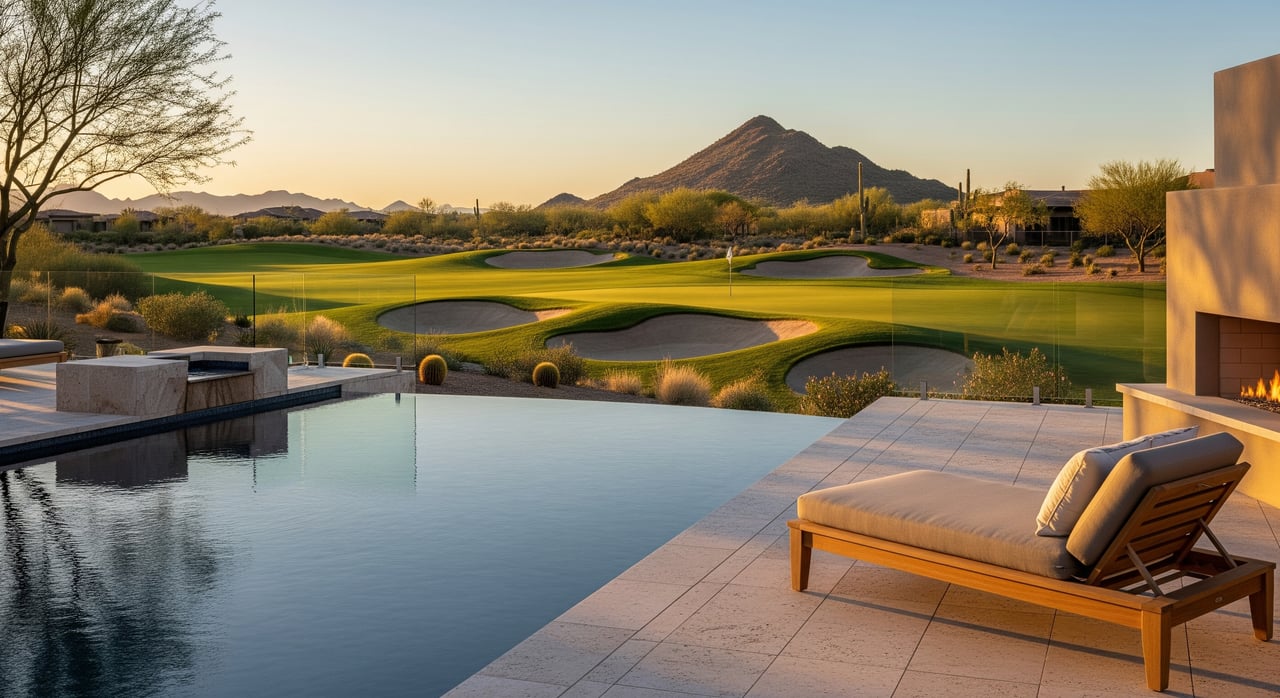
DC Ranch sits in North Scottsdale in Maricopa County, where long warm seasons and a strong seasonal resident base make low-maintenance ownership a priority. The community was planned with amenities, trail systems, and neighborhood services that support easy, secure living. Many areas feature controlled access or gated entries, community patrols, and established HOA structures that keep common areas looking great.
Seasonal owners appreciate predictable dues, centralized management, and on-site staffing in parts of the community. That structure helps keep things running whether you are in residence or away.
Home types to consider
Different home styles can work well for a lock-and-leave lifestyle. The right fit depends on how much maintenance you want the HOA to handle versus what you prefer to manage through vendors.
Attached villas and patio homes
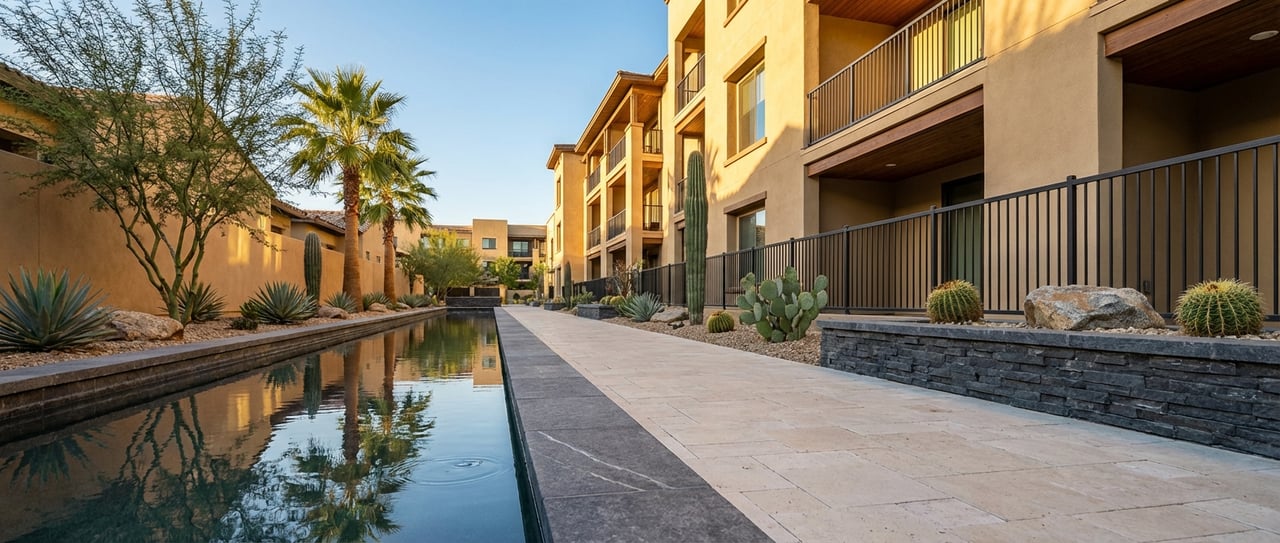
These are often the most lock-and-leave friendly options. Many sub-associations handle exterior painting, roofing repairs, and common-area landscaping. Shared walls and compact footprints can also reduce maintenance costs and simplify oversight when you are away. Confirm what exterior items the HOA maintains and how often they service them.
Townhomes and condos
Townhomes and condos typically include building maintenance and common-area services in the HOA structure. This can make remote ownership easier. Ask about parking, storage, and any rules for delivery or package management while you are gone. It is also smart to confirm Internet infrastructure and cell coverage for the building so your smart-home devices remain reliable.
Single-family homes on smaller lots
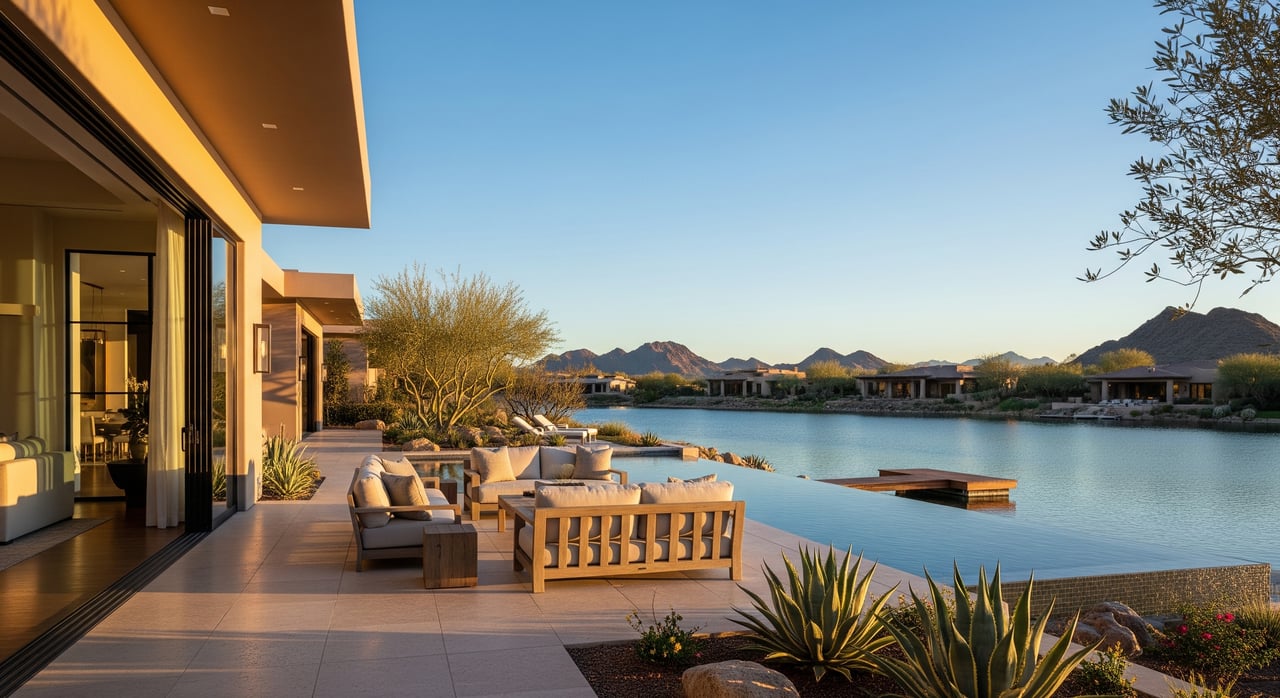
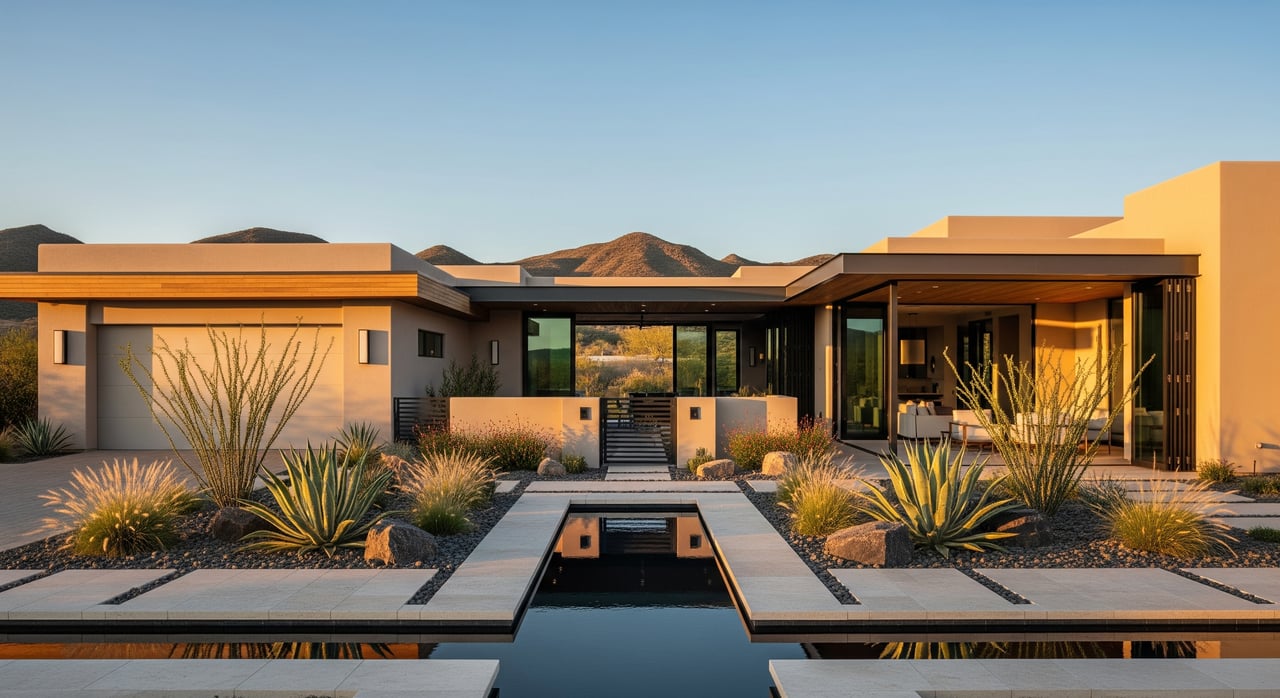
Single-family homes in gated enclaves can be excellent lock-and-leave options, but you will likely coordinate a few more services. Look for homes with landscape packages available through the HOA or an easy handoff to a preferred landscape vendor. You will also want a plan for pool care, periodic inspections, and remote monitoring to cover longer trips.
Casitas and guest spaces
Many DC Ranch homes include casitas or flexible guest suites. These are useful when hosting friends and family while keeping your main living area secure. Maintenance expectations follow the larger property type, so confirm what your HOA covers and what you will manage independently.
Services that make life easier
When evaluating a DC Ranch home, look at the services and systems that support truly low-maintenance living. The right setup saves time, money, and stress.
Exterior and landscaping
- Exterior maintenance: Check whether the HOA covers roof repairs, exterior painting, gutter cleaning, pest control, and window maintenance. Coverage varies by sub-association.
- Landscaping and irrigation: Ask what is included for plant care, irrigation repairs, tree trimming, and how the community handles seasonal changes. Even in the desert, occasional cold snaps make freeze protection worth understanding.
Pools and spas
- Community pools: These are maintained by the HOA and offer effortless enjoyment.
- Private pools: Confirm if your HOA provides guidance or vendor access, and set up a pool service to manage water quality, equipment checks, and storm debris during monsoon season.
Access control and security
- Gated entries and community patrols: Some neighborhoods have controlled access. Confirm gate hours, guest entry protocols, and any patrol or security contact information.
- Smart locks and alarms: Install keypad deadbolts and a monitored alarm system. Look for homes with wiring or network setups that support reliable cameras, motion sensors, water sensors, and HVAC alerts.
- Package and mail: Ask about HOA rules for deliveries, whether there are package rooms or lockers, and how guests or vendors are verified at the gate.
Home automation and systems
- HVAC management: Programmable thermostats and remote access help you control temperature and humidity when you are away. Maintenance contracts for filters and seasonal checks are worth the cost.
- Water protection: Automatic shut-off valves and leak sensors can prevent damage from slow leaks. This is critical for seasonal owners.
- Electrical resiliency: If your home has critical systems, ask about surge protection or backup options, especially in gated enclaves where common systems may have specific requirements.
Third-party support
Scottsdale has many home-watch and property management firms that perform regular inspections, coordinate vendors, and prepare homes for your arrival. You can also find concierge-style services that handle key exchange and scheduling. Your HOA may keep a preferred vendor list and provide guidance on access procedures for outside contractors.
What HOAs cover and how to verify
Each DC Ranch neighborhood or sub-association can offer a different package of services, dues, and rules. To avoid surprises, ask for documentation early in your search and review it carefully.
- HOA dues and scope: Request the most recent budget and list of services. Clarify whether the HOA handles exterior maintenance, landscaping, community security, and reserve fund contributions.
- Reserve health and assessments: Review the latest reserve study and ask about any recent or planned special assessments.
- CCRs and house rules: Confirm leasing restrictions, guest policies, pet rules, parking guidelines, and architectural standards.
- Insurance: Discuss with your insurer whether you need a vacancy endorsement or proof of periodic inspections for coverage when you are away.
Short-term rentals and legal considerations
Many upscale master-planned communities place restrictions on short-term rentals. If renting is part of your plan, review the exact CCR language and any city or county requirements for registrations or permits. Arizona law outlines what HOAs can enforce, and communities may levy fines for noncompliance. Understanding this early helps you avoid issues after closing.
A simple operations checklist
Strong routines keep your home safe and efficient while you are away. Use this two-part checklist to plan ahead.
Before you buy
- Request the HOA disclosure packet, recent financials, and minutes from board meetings.
- Confirm what the HOA covers versus what you will hire out, and get an itemized fee schedule.
- Ask for community contacts, gate procedures, and any preferred vendor references.
- Verify Internet options, cell strength, and smart-home compatibility.
- Review rental policies, guest rules, parking, and pet guidelines.
- Price out pool, landscape, and home-watch services to build a realistic annual budget.
Before you leave for the season
- Enroll in a home-watch or property management plan with clear visit schedules and response times.
- Set and test security notifications, water leak alerts, and thermostat programs.
- Adjust irrigation and secure outdoor furniture and cushions before monsoon season.
- Arrange mail holds or delivery to a secure location in line with HOA rules.
- Share local emergency contacts and vendor access details with community management.
Scottsdale climate tips for seasonal owners
Scottsdale’s seasons are manageable with a few smart steps.
Summer heat
Keep indoor temperatures within a safe range for finishes and electronics. Programmable thermostats and HVAC service plans reduce wear and tear and protect your home.
Monsoon season
Summer storms bring wind, dust, and sudden rain. Confirm who monitors roofs, irrigation systems, and pools after storms. Have a plan for debris removal and post-storm checks.
Rare winter cold snaps
While freezes are uncommon, it is best to know how irrigation and pool equipment are protected. Ask whether your HOA or service providers adjust timers or insulate exposed lines if temperatures dip.
How to choose the right DC Ranch home
Start with your ideal maintenance profile. If you want maximum simplicity, look at attached villas, patio homes, and townhomes where exterior and common-area services are included. If you prefer a private yard or pool, plan for a reliable network of vendors and smart-home monitoring that keeps everything running smoothly.
Next, compare HOA packages across short-listed neighborhoods. Focus on what is included, reserve strength, and rules that match how you plan to use the property. Finally, consider access control, parking, and storage so everyday routines feel effortless when you arrive.
Your next step
If lock-and-leave living in DC Ranch sounds like the right fit, a local, consultative approach makes all the difference. You deserve an advisor who understands sub-association differences, knows how to read HOA documents, and can help you weigh trade-offs between home types and service packages. Reach out to discuss your wish list, timeline, and budget, and get tailored options that align with how you live and travel.
When you are ready to explore, connect with Angela Covey for thoughtful guidance and neighborhood-level insight in DC Ranch and North Scottsdale.
FAQs
What does lock-and-leave mean for a DC Ranch homeowner?
- It means your home and community are set up so you can travel for weeks or months with minimal on-site upkeep, thanks to secure access, HOA-managed exteriors and common areas, and reliable remote monitoring.
Which DC Ranch home types are most lock-and-leave friendly?
- Attached villas, patio homes, and many townhomes or condos often include exterior and common-area maintenance through the HOA, making them strong options for seasonal owners.
Are all DC Ranch neighborhoods gated and patrolled?
- Some neighborhoods have controlled or gated access and a community security presence, while others do not. Confirm gate hours, guest policies, and patrol details for each sub-association.
What do DC Ranch HOAs typically cover for maintenance?
- Coverage varies by neighborhood. Ask for the latest HOA budget and service list to confirm items like exterior painting, roofing repairs, landscaping, and reserve contributions.
Can I short-term rent my DC Ranch home when I am away?
- Many upscale communities restrict short-term rentals. Review the CCRs and any city or county rules before assuming rental income is permitted.
How can I keep my home safe while I am gone?
- Combine gated access where available with a monitored alarm, smart locks and cameras, water leak sensors, and scheduled home-watch visits for regular checks.
What should I set up before leaving for the season?
- Enroll in a home-watch plan, program your HVAC and security alerts, adjust irrigation, secure outdoor items, arrange mail holds, and share emergency contacts with community management.