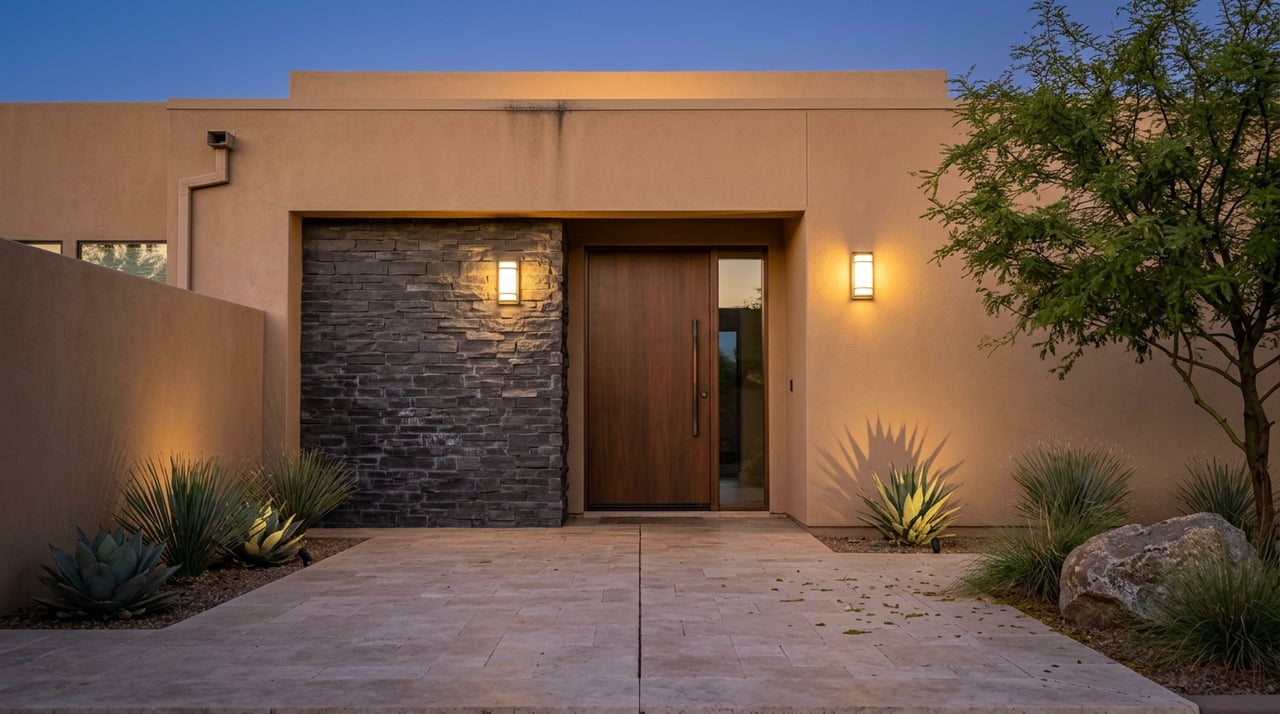
Most sellers preparing to list a home in DC Ranch assume the same thing: if the HOA finds something wrong with the exterior, the deal is in trouble. An old patio addition nobody permitted. A yard that has drifted from the original plan. Paint that faded three shades past what the architectural guidelines allow. The fear is that a title company pulls a report, finds a flag, and the buyer walks.
That is not how it works. DC Ranch's own resale paperwork states plainly that a property may still close even after the community's inspection turns up a violation. The real consequence is not a blocked closing. It is a clock that starts running after you have already signed, and most sellers never see it coming because nobody mentioned it before they listed.
What the Inspection Actually Covers
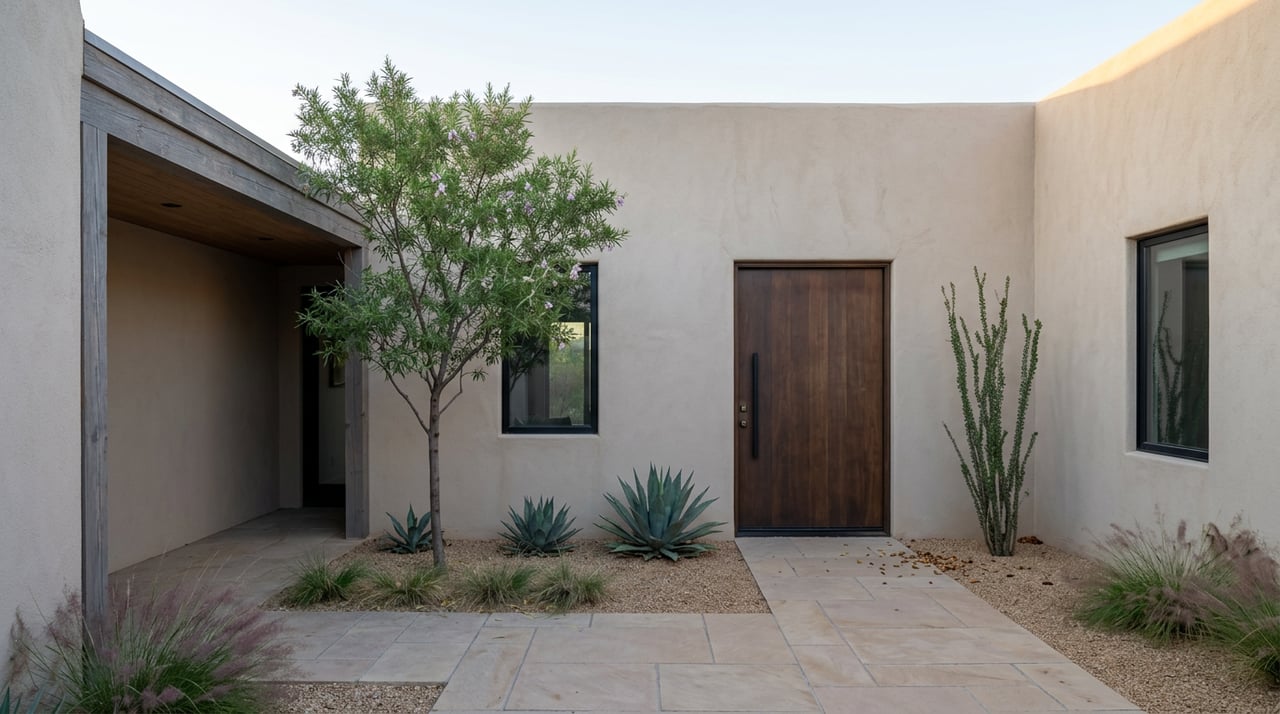
Every resale in DC Ranch triggers a mandatory external review, required under Arizona law, performed by the DC Ranch Community Council. Inspectors check the outside of the house only, exterior architecture and yard upkeep against the community's original standards. They are not looking at your roof's mechanical condition, your HVAC, or your plumbing. That is your buyer's professional inspector's job. This is a separate check, and it happens regardless of which village you live in. Ironwood, Country Club, Silverleaf, Upper Canyon, it does not matter. The Community Council sits above all of them as the master association, so this review applies community-wide even if your specific village layers on its own architectural committee underneath.
A small piece of local trivia worth knowing if a buyer ever asks: the "DC" in DC Ranch stands for Desert Camp, the cattle operation that occupied this land in the early 1900s before it became one of north Scottsdale's best-known master-planned communities.
The Part Sellers Misread
Once the inspection is complete, the report goes to the title company, which shares it with the buyer, the seller, and both agents. If the property comes back flagged, DC Ranch's paperwork is explicit that the sale can still close. The association also states it holds no responsibility for any cancellation tied to what the report finds. Instead of blocking the transaction, DC Ranch and the owner work out a remedy plan, and the timeline for fixing the issue runs anywhere from 10 to 180 calendar days depending on how expensive or complicated the fix turns out to be.
So the actual risk in a DC Ranch resale is not "will this kill my deal." It is "will I be negotiating repairs with a buyer's agent for up to six months after I have already handed over the keys, and will that buyer use the flagged report as leverage on price before we ever get that far."
Where the Fees and Deadlines Actually Sit
A standard residential resale carries a $100 fee. Once requested, DC Ranch commits to preparing the full disclosure packet, delivered electronically through HomeWiseDocs.com, within 10 calendar days. That packet includes the demand statement, current CC&Rs, governing documents, budgets, and reserve reports your escrow team will need. If your timeline is tighter than 10 days, an expedited fee applies and the association commits to a 72 hour turnaround instead.
Those fees are not simply administrative overhead. They fund the Community Council's actual operations, including its two community centers, its resident events and programming, and the maintenance of DCRanch.com and the Ranch News publication residents receive. The system that inspects your home is the same system paying for the amenities that make DC Ranch worth buying into in the first place.
The Move Most Sellers Skip
DC Ranch offers something few sellers know to ask for: a Property Pre-Inspection Request. Before you list, or at the moment you decide to sell, you can ask a Community Standards Specialist to walk the exterior and flag potential compliance issues on your schedule, not your buyer's.
This single step flips the order of operations. Instead of a violation surfacing mid-escrow, landing on the title company's desk while a buyer's agent is watching the clock, you find out early enough to fix it, document it, or price around it before the home ever hits the market. A seller who requests this ahead of time walks into listing day with a clean file. A seller who skips it finds out what the report says at the same moment as the buyer, with far less room to control how the conversation goes.
| Approach | When the issue surfaces | Who controls the timeline |
|---|---|---|
| Skip the pre-inspection | Mid-escrow, after the title company orders the standard report | The buyer's agent and the negotiation clock |
| Request pre-inspection before listing | Before the home is marketed | You, on your own schedule |
Why This Matters More Right Now
Three major data sources tracking DC Ranch this summer landed on three different pictures of the market. Redfin's trailing three-month data through May 2026 puts the median sale price at $2.7 million, up 86.1 percent year over year, with homes selling in a median of 56 days, down from 71 days the year before, and 76 homes sold in May compared with 65 a year earlier. Movoto's July 2026 figures show a $3.5 million median list price with a median of 170 days on market, flat compared with July 2025. Homes.com puts July 2026's median home price at $2,239,000 with an average sale price of $2,913,016 and homes spending an average of 69 days on the market.
These numbers do not agree because DC Ranch simply does not sell enough homes in a given month for any single average to hold steady. A handful of custom estates or one slow-moving luxury listing can swing a median by hundreds of thousands of dollars and skew a days-on-market figure by months. The lesson for a seller is not to chase the "correct" number. It is to control what is actually within your control before a title company or a buyer's inspector ever gets involved. In a stretch where Scottsdale listings broadly have been absorbing price reductions before going under contract, a clean, pre-inspected file is one of the few variables a seller can settle before the first showing.
Frequently Asked Questions
Does the compliance inspection replace my buyer's home inspection? No. This is a check on exterior architecture and yard conditions against DC Ranch's community standards. Your buyer will still hire their own inspector to evaluate the roof, systems, and structure.
Does it matter which DC Ranch village I live in? The Community Council's inspection applies regardless of village. Some villages layer their own architectural committee on top, which can mean an additional review beyond the master association's check.
If the report shows a violation, does that end the sale? No. DC Ranch's own paperwork states the property can still close, with a remedy plan of 10 to 180 days worked out afterward. The real risk is how a buyer negotiates around that flag, not whether the association will stop the transaction.
If you are weighing a sale in DC Ranch and want to understand exactly where your home stands before a buyer's agent ever sees a compliance report, Easy Living Arizona can walk you through the pre-inspection process and help you price and time your listing around it. Get Your Instant Home Valuation to start the conversation on your terms, not the buyer's.